Pages

Sunday, 29 November 2009

Handy Chicken Tips you May not Have Known

Chicken from steak and grillHistory & Definitions
The chicken is a descendant of the Southeast Asian red jungle fowl first domesticated in India around 2000 B.C. Most of the birds raised for meat in America today are from the Cornish (a British breed) and the White Rock (a breed developed in New England). Broiler-fryers, roasters, stewing/baking hens, capons and Rock Cornish hens are all chickens. The following are definitions for these:


• Broiler-fryer a young, tender chicken about 7 weeks old which weighs 2 1/2 to 4 1/2 pounds when eviscerated. Cook by any method.
• Rock Cornish Game Hen - a small broiler-fryer weighing between 1 and 2 pounds. Usually stuffed and roasted whole.
• Roaster - an older chicken about 3 to 5 months old which weighs 5 to 7 pounds. It yields more meat per pound than a broiler-fryer. Usually roasted whole.
• Capon - Male chickens about 16 weeks to 8 months old which are surgically unsexed. They weigh about 4 to 7 pounds and have generous quantities of tender, light meat. Usually roasted.
• Stewing/Baking Hen - a mature laying hen 10 months to 1 1/2 years old. Since the meat is less tender than young chickens, it's best used in moist cooking such as stewing.
• Cock or rooster - a mature male chicken with coarse skin and tough, dark meat. Requires long, moist cooking.

Chicken Inspection
All chickens found in retail stores are either inspected by USDA or by state systems which have standards equivalent to the Federal government. Each chicken and its internal organs are inspected for signs of disease. The "Inspected for wholesomeness by the U.S. Department of Agriculture" seal insures the chicken is free from visible signs of disease.

Chicken Grading
Inspection is mandatory but grading is voluntary. Chickens are graded according to USDA Agricultural Marketing Service regulations and standards for meatiness, appearance and freedom from defects. Grade A chickens have plump, meaty bodies and clean skin, free of bruises, broken bones, feathers, cuts and discoloration.

Fresh or Frozen
The term fresh on a poultry label refers to any raw poultry product that has never been below 26 °F. Raw poultry held at 0 °F or below must be labeled frozen or previously frozen. No specific labeling is required on raw poultry stored at temperatures between 0-25 °F.

Dating of Chicken Products
Product dating is not required by Federal regulations, but many stores and processors voluntarily date packages of chicken or chicken products. If a calendar date is shown, immediately adjacent to the date there must be a phrase explaining the meaning of that date such as sell by or use before.

The use-by date is for quality assurance; after the date, peak quality begins to lessen but the product may still be used. It's always best to buy a product before the date expires. If a use-by date expires while the chicken is frozen, the food can still be used.

Chicken from steak and grill


Hormones & Antibiotics
No hormones are used in the raising of chickens.

Antibiotics may be given to prevent disease and increase feed efficiency. A "withdrawal" period is required from the time antibiotics are administered before the bird can be slaughtered. This ensures that no residues are present in the bird's system. FSIS randomly samples poultry at slaughter and tests for residues. Data from this monitoring program have shown a very low percentage of residue violations.

Additives
Additives are not allowed on fresh chicken. If chicken is processed, however, additives such as MSG, salt, or sodium erythorbate may be added but must be listed on the label.

Foodborne Organisms Associated with Chicken
As on any perishable meat, fish or poultry, bacteria can be found on raw or undercooked chicken. They multiply rapidly at temperatures between 40 °F and 140 °F (out of refrigeration and before thorough cooking occurs). Freezing doesn't kill bacteria but they are destroyed by thorough cooking.

USDA's Food Safety and Inspection Service has a zero tolerance for bacteria in cooked and ready-to-eat products such as chicken franks or lunch meat that can be eaten without further cooking.

Most foodborne illness outbreaks are a result of contamination from food handlers. Sanitary food handling and proper cooking and refrigeration should prevent foodborne illnesses.

Bacteria must be consumed on food to cause illness. They cannot enter the body through a skin cut. However, raw poultry must be handled carefully to prevent cross-contamination. This can occur if raw poultry or its juices contact cooked food or foods that will be eaten raw such as salad. An example of this is chopping tomatoes on an unwashed cutting board just after cutting raw chicken on it.

Following are some bacteria associated with chicken:
• Salmonella Enteritidis may be found in the intestinal tracts of livestock, poultry, dogs, cats and other warm-blooded animals. This strain is only one of about 2,000 kinds of Salmonella bacteria; it is often associated with poultry and shell eggs.
• Staphylococcus aureus can be carried on human hands, in nasal passages, or in throats. The bacteria are found in foods made by hand and improperly refrigerated, such as chicken salad.
• Campylobacter jejuni is one of the most common causes of diarrheal illness in humans. Preventing cross- contamination and using proper cooking methods reduces infection by this bacterium.
• Listeria monocytogenes was recognized as causing human foodborne illness in 1981. It is destroyed by cooking, but a cooked product can be contaminated by poor personal hygiene. Observe "keep refrigerated" and "use-by" dates on labels.

Rinsing or Soaking Chicken
It is not necessary to wash raw chicken. Any bacteria which might be present are destroyed by cooking.

Liquid in Package
Many people think the pink liquid in packaged fresh chicken is blood, but it is mostly water which was absorbed by the chicken during the chilling process. Blood is removed from poultry during slaughter and only a small amount remains in the muscle tissue. An improperly bled chicken would have cherry red skin and is condemned at the plant.

How to Handle Chicken Safely
• Fresh Chicken: Chicken is kept cold during distribution to retail stores to prevent the growth of bacteria and to increase its shelf life. Chicken should feel cold to the touch when purchased. Select fresh chicken just before checking out at the register. Put packages of chicken in disposable plastic bags (if available) to contain any leakage which could cross-contaminate cooked foods or produce. Make the grocery your last stop before going home.

At home, immediately place chicken in a refrigerator that maintains 40 °F, and use within 1 or 2 days, or freeze at 0 °F. If kept frozen continuously, it will be safe indefinitely.

Chicken may be frozen in its original packaging or repackaged. If freezing longer than two months, over wrap the porous store plastic packages with airtight heavy-duty foil, plastic wrap or freezer paper, or place the package inside a freezer bag. Use these materials or airtight freezer containers to repackage family packs into smaller amounts or freeze the chicken from opened packages.

Proper wrapping prevents "freezer burn," which appears as grayish-brown leathery spots and is caused by air reaching the surface of food. Cut freezer-burned portions away either before or after cooking the chicken. Heavily freezer-burned products may have to be discarded because they might be too dry or tasteless.
• Ready-Prepared Chicken: When purchasing fully cooked rotisserie or fast food chicken, be sure it is hot at time of purchase. Use it within two hours or cut it into several pieces and refrigerate in shallow, covered containers. Eat within 3 to 4 days, either cold or reheated to 165 °F (hot and steaming). It is safe to freeze ready-prepared chicken. For best quality, flavor and texture, use within 4 months.

Safe Defrosting
FSIS recommends three ways to defrost chicken: in the refrigerator, in cold water and in the microwave. Never defrost chicken on the counter or in other locations. It's best to plan ahead for slow, safe thawing in the refrigerator. Boneless chicken breasts will usually defrost overnight. Bone-in parts and whole chickens may take 1 to 2 days or longer. Once the raw chicken defrosts, it can be kept in the refrigerator an additional day or two before cooking. During this time, if chicken defrosted in the refrigerator is not used, it can safely be refrozen without cooking first.

Chicken may be defrosted in cold water in its airtight packaging or in a leak proof bag. Submerge the bird or cut-up parts in cold water, changing the water every 30 minutes to be sure it stays cold. A whole (3 to 4-pound) broiler fryer or package of parts should defrost in 2 to 3 hours. A 1-pound package of boneless breasts will defrost in an hour or less.

Chicken defrosted in the microwave should be cooked immediately after thawing because some areas of the food may become warm and begin to cook during microwaving. Holding partially cooked food is not recommended because any bacteria present wouldn't have been destroyed. Foods defrosted in the microwave or by the cold water method should be cooked before refreezing.

Do not cook frozen chicken in the microwave or in a slow cooker. However, chicken can be cooked from the frozen state in the oven or on the stove. The cooking time may be about 50% longer.

Stuffed Chicken
The Hotline does not recommend buying retail-stuffed fresh whole chicken because of the highly perishable nature of a previously stuffed item. Consumers should not pre-stuff whole chicken to cook at a later time. Chicken can be stuffed immediately before cooking. Some USDA-inspected frozen stuffed whole poultry MUST be cooked from the frozen state to ensure a safely cooked product. Follow preparation directions on the label.

Marinating
Chicken may be marinated in the refrigerator up to 2 days. Boil used marinade before brushing on cooked chicken. Discard any uncooked leftover marinade.

Safe Cooking
FSIS recommends cooking whole chicken to a safe minimum internal temperature of 165 °F as measured using a food thermometer. Check the internal temperature in the innermost part of the thigh and wing and the thickest part of the breast. For reasons of personal preference, consumers may choose to cook poultry to higher temperatures.

For approximate cooking times to use in meal planning, see the following chart compiled from various resources.

Approximate Chicken Cooking Times
Type of Chicken Weight Roasting
350 °F Simmering Grilling
Whole broiler fryer+ 3 to 4 lbs. 1 1/4 - 1 1/2 hrs. 60 to 75 min. 60 to 75 min*
Whole roasting hen+ 5 to 7 lbs. 2 to 2 1/4 hrs. 1 3/4 to 2 hrs. 18-25 min/lb*
Whole capon+ 4 to 8 lbs. 2 to 3 hrs Not suitable 15-20 min/lb*
Whole Cornish hens+ 18-24 oz. 50 to 60 min. 35 to 40 min. 45 to 55 min*
Breast halves, bone-in 6 to 8 oz. 30 to 40 min. 35 to 45 min. 10 - 15 min/side
Breast half, boneless 4 ounces 20 to 30 min. 25 to 30 min. 6 to 8 min/side
Legs or thighs 8 or 4 oz. 40 to 50 min. 40 to 50 min. 10 - 15 min/side
Drumsticks 4 ounces 35 to 45 min. 40 to 50 min. 8 to 12 min/side
Wings or wingettes 2 to 3 oz. 30 to 40 min. 35 to 45 min. 8 to 12 min/side

+ Unstuffed. If stuffed, add 15 to 30 minutes additional time.
* Indirect method using drip pan.

Microwave Directions:
• Microwave on medium-high (70 percent power): whole chicken, 9 to 10 minutes per pound; bone-in parts and Cornish hens, 8 to 9 minutes per pound; boneless breasts halves, 6 to 8 minutes per pound.
• When microwaving parts, arrange in dish or on rack so thick parts are toward the outside of dish and thin or bony parts are in the center.
• Place whole chicken in an oven cooking bag or in a covered pot.
• For boneless breast halves, place in a dish with 1/4 cup water; cover with plastic wrap.
• Allow 10 minutes standing time for bone-in chicken; 5 minutes for boneless breast.
• The USDA recommends cooking whole poultry to a safe minimum internal temperature of 165 °F as measured using a food thermometer. Check the internal temperature in the innermost part of the thigh and wing and the thickest part of the breast. When cooking pieces, the breast, drumsticks, thighs, and wings should be cooked until they reach a safe minimum internal temperature of 165 °F. For reasons of personal preference, consumers may choose to cook poultry to higher temperatures.

Partial Cooking
Never brown or partially cook chicken to refrigerate and finish cooking later because any bacteria present wouldn't have been destroyed. It is safe to partially pre-cook or microwave chicken immediately before transferring it to the hot grill to finish cooking.

Color of Skin
Chicken skin color varies from cream-colored to yellow. Skin color is a result of the type of feed eaten by the chicken, not a measure of nutritional value, flavor, tenderness or fat content. Color preferences vary in different sections of the country, so growers use the type of feed which produces the desired color.

Dark Bones
Darkening around bones occurs primarily in young broiler-fryers. Since their bones have not calcified completely, pigment from the bone marrow can seep through the porous bones. Freezing can also contribute to this seepage. When the chicken is cooked, the pigment turns dark. It's perfectly safe to eat chicken meat that turns dark during cooking.

Pink Meat
The color of cooked chicken is not a sign of its safety. Only by using a food thermometer can one accurately determine that chicken has reached a safe minimum internal temperature of 165 °F throughout. The pink color in safely cooked chicken may be due to the hemoglobin in tissues which can form a heat-stable color. Smoking or grilling may also cause this reaction, which occurs more in young birds.

Color of Giblets
Giblet color can vary, especially in the liver, from mahogany to yellow. The type of feed, the chicken's metabolism and its breed can account for the variation in color. If the liver is green, do not eat it. This is due to bile retention. However, the chicken meat should be safe to eat.

Fatty Deposits
Chickens may seem to have more fatty deposits or contain a larger "fat pad" than in the past. This is because broiler fryer chickens have been bred to grow very rapidly to supply the demand for more chicken. Feed that is not converted into muscle tissue (meat) is metabolized into fat. However, the fat is not "marbled" into the meat as is beef or other red meat, and can be easily removed. Geneticists are researching ways to eliminate the excess fat.

Trisodium Phosphate
Food-grade trisodium phosphate (TSP) has been approved by FSIS for use in poultry slaughter as an antimicrobial agent. When immersed in and/or sprayed in a dilute solution on chickens, it can significantly reduce bacteria levels. TSP is "generally recognized as safe" (GRAS) by the FDA, and has been safely used for years, particularly in processed cheese.

Irradiation of Poultry
In 1992, the USDA approved a rule to permit irradiation of raw, fresh or frozen packaged poultry to control certain common bacteria on raw poultry that can cause illness when poultry is undercooked or otherwise mishandled. Irradiation at 1.5 to 3.0 kilo Gray, the smallest, most practical "dose," would eliminate more than 99 percent of Salmonellae organisms on the treated poultry.

Packages of irradiated chicken are easily recognizable at the store because they must carry the international radura symbol along with the statement, "treated with irradiation" or "treated by irradiation."

Storage Times
Since product dates aren't a guide for safe use of a product, how long can the consumer store the food and still use it at top quality? Follow these tips:
• Purchase the product before the date expires.
• Follow handling recommendations on product.
• Keep chicken in its package until using.
• Freeze chicken in its original packaging, overwrap or re-wrap it according to directions in the above section, "How to Handle Chicken Safely".


for more information and recipes please visit www.alleasyfoodrecipes.com


Quick and Easy Chicken Salad Recipes

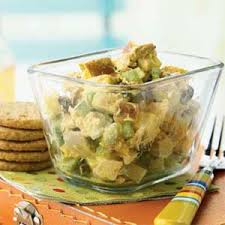
Chicken salad steak and grillAs a kid, I loved tuna salad. Because I was so picky, it was one of few foods that I ate. My mom used to go so far as to pack me a tuna sandwich when she and my brother went out for pizza (as that was not one of my accepted foods at the time). As I got older, I started to experiment with different foods, and one day while at a friend’s house, I tried chicken salad for the first time. Up until that point, I had never thought of creating a mayo-based sandwich filling with cut up chicken, one of my favorite foods.

My friend cooked a few chicken breasts (which I marveled at since I was young and had no experience cooking my own meat) and then the two of us mixed in some mayo, chopped celery, raisins, salt and pepper. I was blown away by how delicious it was. Every time I hung out with that friend after school, I would request that we make chicken salad, and I even asked my mom to show me how to cook my own chicken so I could make it at home and pack chicken salad sandwiches for lunch.

To this day, I enjoy creating chicken salad variations with nuts, dried fruit and fresh herbs. My favorite is still the classic mayo, celery, salt, pepper and raisins combination, but I’m always looking for new variations. I found a great selection of recipes on RecipeLion.com; they have everything from classic chicken salad and fruit-filled chicken salad to baked chicken salad recipes and even a low-fat version. I loved the unique idea of adding artichokes and sundried tomatoes, two items that I love but never would have thought to include in my chicken salad.

One thing I’ve found is that many people are turned off of chicken salad because of an often overwhelming amount of mayonnaise. Believe it or not, there are many ways to make a delicious chicken salad sandwich without mayo. You can replace mayo with your favorite salad dressing – vinaigrettes work well – and add the rest of the ingredients in the same way. This is a great variation of classic chicken salad and it will save you quite a few calories. If you’re not completely opposed to mayo, use a dollop to add moisture and then add your favorite veggies, nuts or mix-ins.

Chicken salad steak and grill

No matter what type of chicken salad you prefer, you can mix up a batch in no time. If you don’t want to cook chicken on the spot, use leftovers from a previous meal. Just remove the skin and dice up the meat. You can also snag a rotisserie chicken from the grocery store (almost all grocery stores have them in the hot foods section), cut it up and have meals for days. Use the white meat to make chicken salad and use the rest of the bird for other quick and easy meals like tacos, chicken pizza or sandwiches. It’s a fast and simple way to get a meal on the table in no time, and the juicy chicken will create a fabulous chicken salad that everyone will enjoy.

Try out a new chicken salad recipe this weekend. Play around with different ways to dress the salad, add crunch and flavor. You might be surprised with what you come up with.


Thursday, 26 November 2009

Tuna Recipes From Around the World

Tuna Steaks and Grill Tuna thrives in many oceans throughout the world. As such it has been included in the diet of people in many different countries, each having their own ways and methods of preparing and cooking tuna. Take advantage of these wonderful ideas to turn your tuna meals into memorable feasts packed full of vitamins, minerals and Omega 3.


Companies which only catch tuna from sustainable sources and only use fishing methods which does not endanger other species of fish or marine mammals such as dolphins are the ones you should buy from. Check out company web sites to see if they are upfront enough to share with the world their policies on sourcing and catching tuna. You can then have peace of mind that the tuna you buy from them is of the highest quality as well as knowing that they are serious about their ways and means of fishing.

The Mediterranean is renowned for its healthy eating habits. Using the fresh ingredients and herbs which compliment the flavours transform tuna dishes into real culinary delights.

The lemon-sage flavour of coriander is ideal to use with tuna. Served with slices of sun ripened tomatoes and refrigerated roasted potato wedges. This dish is a simple yet effective way to serve tuna during the summer and makes a great alternative to salad.

A great way to serve tuna. hot or cold, is to be inspired by the Italians and add a little red pepper to spice things up a bit. Served on a bed of greens with fennel for lunch or thin pasta tossed with a little olive oil and sauteed garlic for supper. The natural goodness of the tuna is enjoyed by simply pan frying with the red peppers, add a touch of freshly chopped chilli if you really like things hot!

A traditional Seychelles method to serve tuna is to turn it into a mouth watering coconut curry. The tuna steaks are cubed and lightly browned before being cooked with saffron and coconut milk. This delicious recipe is not like a normal eaten curry in the UK, the heat is provided with chillies, fresh ginger, garlic, cardamom seeds and saffron or cumin. A few fresh curry leaves are also added. If you like curry you will simply adore this wonderful tuna dish.

Tuna Steaks and Grill

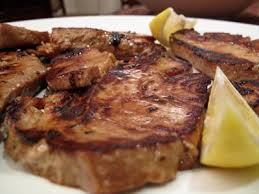
Tuna is great for cooking on a barbeque, Americans and Australians include succulent tuna steaks during there barbeques throughout the year. The firm meaty texture is robust enough to be flipped and turned without disintegrating. As tuna only takes a few minutes to cook on each side and there are no associated health risks of eating it rare, tuna is the ideal barbeque food, far tastier than burnt burgers and much safer than undercooked sausages.

In the UK eating tuna steaks is becoming increasingly popular. People are beginning to realise and appreciate the health benefits of eating fish which provides Omega 3 to help improve their diets.

Whichever tuna recipes you use, you can certain that your family will enjoy the delicious taste and texture of this protein packed food which is so easy and fast to prepare and cook.


See More ---->> a range of tasty http://www.youngsseafood.co.uk
Recipes.


Do You Have Great steak sandwiches Recipes?

steaks sandwiches
Sometimes it seems like cooking is just too difficult to do on a daily basis, but food processors take a lot of the hassle out. If you don’t have a food processor, I highly recommend that you get one. In fact, go out and buy one right now! I use my food processor everyday, keeping it on my kitchen counter for fast use. Why? Because I have so many great recipes
! Here is my top 10 favorite food processor recipes guaranteed to make you love your food processor.

1. You can make your own peanut butter or any other nut butter that you like in your processor. Cashews make wonderful nut butter too.

2. Speaking of peanut butter, peanut butter cookies are the easiest recipe in the world: 1 cup sugar, 1 egg, 1 cup peanut butter, and a teaspoon of vanilla if desired.
For more details go to: www.cooking-groundbeef.com Toss them into your processor; give it a whirl for a few seconds until well mixed. Scoop out a tablespoon of dough and scrap it on the side of the bowl to even the spoon, drop onto a cookie sheet and smash it down with a fork to make the cross hatch design. Bake at 350 degrees for 7 to 9 minutes and you have fabulous, gluten free peanut butter cookies.

3. Make steak sandwiches by chilling, but not freezing, leftover steak in the freezer until firm but not frozen. Slice with your processor and then add to a skillet in which you have been sautéing bell peppers and onions. Put it all on a sandwich bun, top with jack cheese, and enjoy. I know, who has leftover steak? Plan for this and throw an extra steak or two on the grill next time.

4. Specialty butters are definitely a favorite of mine. In fact, I get ideas from many restaurants, constantly seeking new flavors to spread across bread. Armed with my food processor, making specialty butter has never been so easy. My favorite is basil-garlic butter. By processing a stick of butter with a couple cloves of garlic, I can then add some crushed basil leaves and let it sit in the fridge for a week or so in an air-tight container. Then, it’s French bread and wine for dinner. Sometimes I even use it on grilled cheese with mozzarella, sliced tomatoes, and bacon. So delicious!

steaks sandwiches
steaks sandwiches

5. For fresh lemon sherbet, mix equal amounts sugar, milk, and half-and-half with freshly grated lemon rind and some lemon juice.
For help visit: www.cat-head-biscuit.com then pours into a pan and freezes it, covering it for at least two hours. After frozen, use your food processor to blend it until smooth. Four hours in the freezer later, you have a wonderful dessert to go with anything you can cook up!

6. Another great idea is to take blackberries and sugar, blending them with your food processor until they’re smooth. Then, pour the mixture through a strainer into a pan and stir in some buttermilk. When frozen, break into chucks and beat with an electric mixer until smooth again, and then pour it back into a pan and cover it until firm. This is a great way to make a cold, berry concoction that the whole family will love, especially on hot summer days. And you can substitute blueberries or raspberries as well.


See More :
Ritu Sharma
www.delicious-sandwich-recipes.com


4 Vital Tips To Help You Grill The Perfect Steak

Grilling SteaksWith no doubt, grilling is an exciteting and fun way to spend some time with your family. It is often part and parcel whenever there are outings for the family.

Enumerated below are some of the great tips that you can apply in grilling steak for your family.
Always season your favorite steak with pepper and salt right before you start grilling it. There are some who do not agree with this tip. It is because they think that the salt that you put will cure meat. But usually, this does not happen if you do it before you grill the steak.

1) One interesting tip that you can is how you can get the beautiful grill marks on the meat. Actually the secret is just too plain and simple: Leave your meat all alone! Many people are always tempted to move the steak every now and then. In reality, that should be avoided. Leave the steak alone and let the grill do its job.

2) Meanwhile, there are some people who get curious in handling the flares of the grill. It is actually very easy. If you happen to see the falres starting up, lower the heat of the grill or choose to move the steak to another part. This could actually give your steak some grill marks.

3) When it comes with the last period of cooking
, meanwhile, you can finish meat right in your oven at 450 degrees. A lot of restaurants do this actually. While other restaurants mark the meats on high heat grills and then finish them on their oven over high heat also. This will avoid the outsides from being burned and it will also allow the steak to be cooked evenly.

4) Another tip in cooking your steak concerns doneness. The very sure method is by using a thermometer. Of course, we know that thermometers are not expensive and are easy to use. They can also used for other meals as well.

Grilling Steaks
Grilling Steaks

There are a vast of cooking tips on grilling steal that you can learn. You can find the a lot online or offline--you just have to be resourceful enough. There are also some books offering a lot of tips in grilling that you can apply on your own. Some of these have been developed by chefs and some are used since time immemorial.

Surely, these grilling tips will result to a better quality of steaks if done effectively. There are tips offered which concerns the proper cleaning of your grills at home which appears very tedious. You can also learn some tips on how you can save up money while preparing your favorite steak for the whole family. All of these are very helpful in enjoying the steak that your family wants.


------------------------------------
got some great Cooking Secrets .
=========================


Monday, 23 November 2009

Tasty Tuna Recipes

tuna steaks american steaksKnowing how to cook tuna steaks can pose a bit of a problem! Go online to find some of the most delicious recipes using tuna as the main ingredient. Many of the sites also have pod casts to enable you to follow the recipes step by step, giving you the confidence to get it right every time.

Many great meal ideas can also be found on the packaging of tuna which is brought from the chilled cabinet or freezer section at the major supermarkets. The packaging will tell you the average cooking time and the best methods of cooking for perfect results. Check to see whether the tuna needs to be thawed before cooking and how to do this safely.

Bring a taste of the Orient to your dining table by serving seared tuna steaks with ginger and chickpeas. This substantial main course dish will please the most veracious of appetites. The dish takes only five minutes to prepare and fifteen minutes to cook. A healthy fast food to make at home without being full of additives, preservatives and E numbers!

A modern alternative to traditional battered cod and chips can be made by serving peppered yellow fin tuna steaks with sweet potato wedges with a roasted chilli mayonnaise. Delicious and nutritious without the saturated fats of chip shop fish and chips. A dish which is sure to please and impress family and friends.

A great way to get kids to eat healthy tuna is to give them tuna tortillas. Simple and very quick to make seared tuna steaks are cut into bite sized strips and placed onto a tortilla with slices of tomato and avocado, topped off with sour cream and some fresh coriander leaves before being rolled up and eaten. An ideal snack or TV diner packed full of vitamin D, protein and Omega 3 this dish evens counts towards your 5 a day vegetable intake! You do not have to be a master chef to cook delicious healthy food.

Tuna steaks flambe au poivre with toasted pine nuts is sure to be a winner. It sounds complicated to make however in reality it can be prepared and served in less than half an hour. Succulent seared tuna steaks as delicious as these only needs an accompaniment of fresh green vegetables such as asparagus spears or sugar snap peas to make a truly tasty treat.

tuna steaks american steaks

Be creative in your kitchen, look online for inspiration on how you can turn boring mealtimes into a pleasurable eating experience for the whole family. Look after yourself and the health of your family by providing a varied and nutritious diet which includes the recommended two servings of fish each week. Fast food no longer means popping down to the chip shop. Simple, fast tuna meals can be prepared within minutes in your own kitchen.

You do not need fancy equipment or expensive ingredients to make wholesome, delicious tuna suppers which will transform your eating habits as part of a healthy lifestyle. Go online to find the easiest and tastiest tuna recipes which will amaze you and your family!

By
Davidgiggs :
http://www.youngsseafood.co.uk/web/recipes.asp/>tuna recipes.


Sunday, 8 November 2009

Most Popular Steak Houses

Edward's steak house
A lot of steak houses offer the best tasting steaks for your desire. Ruth's Chris and Alfred's are one of the pioneers in the providing the best steaks in town.

A steak house is a restaurant which specializes in serving beef steaks. These restaurants are common in European countries and in the United States. A usual combination of a steak dinner includes rice, beans, and potato dish. Sometimes it comes with vegetables, mushrooms, and onion rings.


Steaks are slices of meat which are usually beef. In order to attain tenderness of the meat, it is usually chopped vertically to the fibers of the muscle. It is a common practice that steaks are served grilled. There are many types of steaks available. The most ideal part for steak is the tenderest part of the animal. Because of the qualities of steaks, it has higher price compared to ordinary meat. The most expensive among the steaks is the T-bone steak because of the large portion of meat served to an individual. This is the tenderloin part attached with a T-shaped bone.

Cooking a steak for a shorter time will produce juicier tastes while a longer cooking time will result in a drier and harder meat. However, longer time reduces the cholesterol content of the steaks and is beneficial to health. Let's get to know several of the most famous steak houses.

Ruth's Chris Steak House
This steak house is one of the most popular and the finest in the United States as well as other countries. Because of its success, it was able to establish 114 steak houses internationally. It is considered as one of the largest luxury steak houses beating other steak houses in terms of profit and operation. With Ruth's Chris' plentiful endorsements from famous personalities, it had become the talk of the town. In fact, the Travolta Family Entertainment awarded the restaurant the 2006-2007 Golden Icon Award as the Best Steak House Chain.

Ruth's Chris is known for its signature of keeping the best quality by serving only USDA prime steaks to its valued customers. In addition, the restaurant also serves fish, lamb, shellfish, and chicken. All of its branches have smaller rooms intended for private dining. An online reservation is also available for convenience. A dress code which is either business or casual is maintained.

Best Steak House
This steak house has been around since 1964 and has been serving high standard steaks in the Midtown Street Louis. Their specialties include steaks, chicken, pork chops, and burgers. They also serve other dishes like fish, shrimp, salad, and baked potatoes. Best Steak House also offers catering services for any event.

Edward's Steak House
This steak house is located at Historic Downtown Jersey City and delivers the best steaks in New York. The restaurant provides elegant and cozy atmosphere while serving the most delicious dishes to its customers. Edward's features specific places for private dining. Customers can also request specific menus for any occasion from their executive chef. The best wines are also served for wine lovers.

Alfred's steak house

Edward's steak house

Besh Steak
Besh Steak comes with a spacious area that can accommodate 150 customers. It is located in New Orleans and is right in the middle of blue water like crystal puddles with splendid amber bar. The place is finely decorated with George Rodrigue's Blue Dog artwork. The interior of the steak house is a combination of a traditional steak house and New Orleans influence. The restaurant presents wine from the finest wineries in France and California.

Alfred's Steakhouse
This steak house was started by Alfred Bacchini in Broadway Street in 1928. He was the folks' most favorite waiter in San Francisco. Alfred then decided to open a steak house. The restaurant he established soon turned out to be very popular. Politicians and other well-known personalities became its regular customers.

Alfred's Steakhouse was then purchased by Arti Petri and his son Al in 1973. During the whole period, father and son worked hard for the business. They have kept up with the customary qualities that have made the restaurant well respected.

In 1997, Alfred's Steakhouse was moved to Merchant Street. After five months of reconstructing the new place, Alfred's was reopened to the public. The restaurant offers the tenderest and juiciest steaks in the area. The good flavor is achieved because Alfred's uses only corn fed beef with the right content of marbling. Through all the years of operation, Alfred's proved its distinction when it comes to steaks.


Friday, 6 November 2009

New York Strip Steak

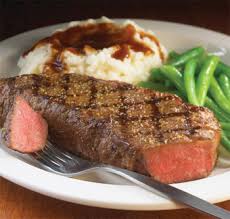
New York Strip SteakNew York strip steak is priced highly for its exceptional flavor and tenderness, and is one of the more expensive beef cuts in the market. Known to many culinary experts as one of the highest quality cuts for beef steaks and preferred by most steak connoisseurs for its marbling, texture, and taste, the strip steak is one of the most important cuts and one of the most sought after part of the cow. The best way to enjoy New York strip steak according to those who favor it is to serve the meat rare, with just a little bit of salt, pepper, and a side of herb butter.


There are a few options for steak delivery. One is to have fresh cut New York strip steaks and any other choice meats delivered to you right after butchering, ensuring that the meat you ordered stays fresh and in top quality. You may also opt to have steak that's already grilled and prepared by restaurants and steak houses. This is ideal for people who find themselves often too busy to shop or cook, or both.

One of the most well-known places where you can get great steak in New York city is The Strip House, a bordello-styled steak house that is in a class of its own. There are so many other steak houses in New York, as it is a favorite among many New Yorkers and tourists. Locals will even recommend their own favorite steak joints in each area of New York, so don't be afraid to ask around.

New York Strip Steak

Rare steaks should be grilled between 1-5 minutes at 120-129F, medium rare steak should be at 130-139F. Medium steaks are at 140-149F from 2 to about 7 minutes and medium well at 150 to 159F from 4 minutes to about 9 minutes. Some of the most well-loved recipes
for preparing New York steak include the New York strip steak with honey mustard steak sauce. You can also try the Old No. 7 grilled steak, which is another favorite for many steak lovers.


Best Steak and Grill Information

Search The Steak and Grill world Web

Custom Search